


Definitive Surface Mould Testing for Melbourne Properties
Request a Quote
Fill out the Form below
Visual confirmation of mould isn’t always enough. For insurance claims, pre-purchase due diligence, or health concerns, scientific verification is essential. Mould Experts provides surface sampling services across Melbourne that move beyond guesswork. We collect physical samples from affected materials and send them for analysis to an independent NATA-accredited laboratory. This process provides definitive data on mould type and concentration, forming the foundation of any effective remediation plan that complies with the Australian AS-IICRC S520:2025 standard.
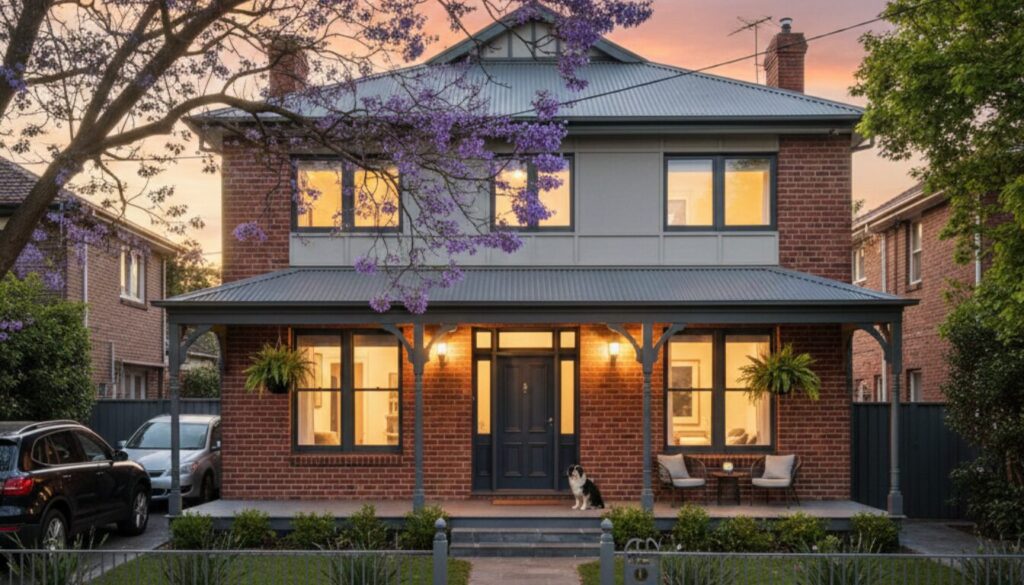
Our services are not simple DIY kits. We deploy IICRC-certified technicians who understand the unique challenges of Melbourne’s building stock, from persistent damp in the brickwork of older Brunswick homes to trapped humidity in well-sealed modern apartments.
Differentiating Between Common Moulds Found in Melbourne Homes
Identifying the specific mould genus is a critical step. Different species pose different risks and often indicate different underlying moisture problems. Our lab analyses frequently distinguish between:

Stachybotrys (Black Mould)
Often found on materials with long-term water damage, like plasterboard behind a slow plumbing leak. Its presence almost always signals a significant, hidden moisture issue.

Aspergillus/Penicillium
These common moulds appear as green or blue patches and thrive in persistently damp or high-humidity environments. We often find them on window sills and in bathrooms where ventilation is poor, a common issue during Melbourne's damp winters.

Cladosporium
This black or green mould can grow in cooler areas and is often found on damp wood, fabrics, or painted walls, indicating an ongoing condensation or moisture problem.
Our Surface Sampling Process: Compliant with the
IICRC S520 Standard
Our methodology is driven by industry best practices to ensure every sample is viable and the results are defensible. A typical collection visit involves a multi-step process.
First, our technician performs a visual inspection and uses moisture meters to map the extent of the water damage, as mould is a symptom of a larger moisture problem. Based on these findings, we use two primary methods for surface collection:
Tape Lift Sampling
The most common method for visible growth. We press sterile microscopic tape onto the surface, which lifts spores and fungal structures for direct microscopic identification by a NATA-accredited lab. This helps identify the mould genera present.
Swab Sampling
Used for collecting samples from wet or uneven surfaces where a tape lift may not be effective. The swab is then sent to the lab for analysis.
This scientific approach provides objective data, which is far more reliable than a simple visual check.
When Is Surface Testing Critical? Real Scenarios from Our Technicians
While not always required, surface testing provides essential clarity in specific situations. We are most often called to perform sampling for:
Pre-Purchase Building Inspections
A buyer in Carlton needed to confirm if a discoloured patch in a subfloor was Stachybotrys before committing. Our tape lift confirmed it was a less harmful surface mould, allowing the sale to proceed with a clear remediation scope.
Tenancy Disputes
For a tenant in a Southbank apartment with recurring respiratory issues, our surface testing documented high concentrations of Aspergillus on the window frames, providing the evidence needed to compel the property manager to address a building-wide ventilation flaw.
Post-Remediation Verification
After a burst pipe was remediated in a commercial office in the CBD, we performed clearance testing to independently verify that the area was returned to a normal fungal ecology, satisfying the requirements of their insurance policy.
Your Report: NATA-Accredited Laboratory Analysis Explained
You receive more than just a pass or fail. The report from our partner NATA-accredited laboratory provides a detailed breakdown of findings in plain English. It will list the specific genera of mould identified, the relative concentration of spores, and an interpretation of what the results mean for your property’s indoor environment.
This document serves as your official record, providing the leverage needed for insurance claims, legal matters, or ensuring a contractor’s remediation work was successful.
Surface Mould Testing FAQs
What does a surface test tell you that a visual inspection doesn't?
A surface test scientifically confirms the presence and type of mould. A visual inspection can identify conditions conducive to mould and see visible growth, but it cannot definitively identify the species or spore concentration.
Does surface testing remove the mould?
No. Testing is a diagnostic step to identify the problem. The data gathered from testing is then used to create a precise scope for professional mould remediation, which is a separate service.
How long does it take to get results?
Sample collection is completed during a single site visit. The laboratory analysis typically takes 2-3 business days, at which point we will provide you with the full report and our professional recommendations.
Schedule a Certified Technician in Melbourne
If you need to confirm mould contamination with scientific certainty, contact Mould Experts. Our IICRC-certified team provides professional surface sampling for residential and commercial properties across all Melbourne suburbs.
Request a Quote
Fill out the Form below