

Professional Mould Inspections in Melbourne
Request a Quote
Fill out the Form below
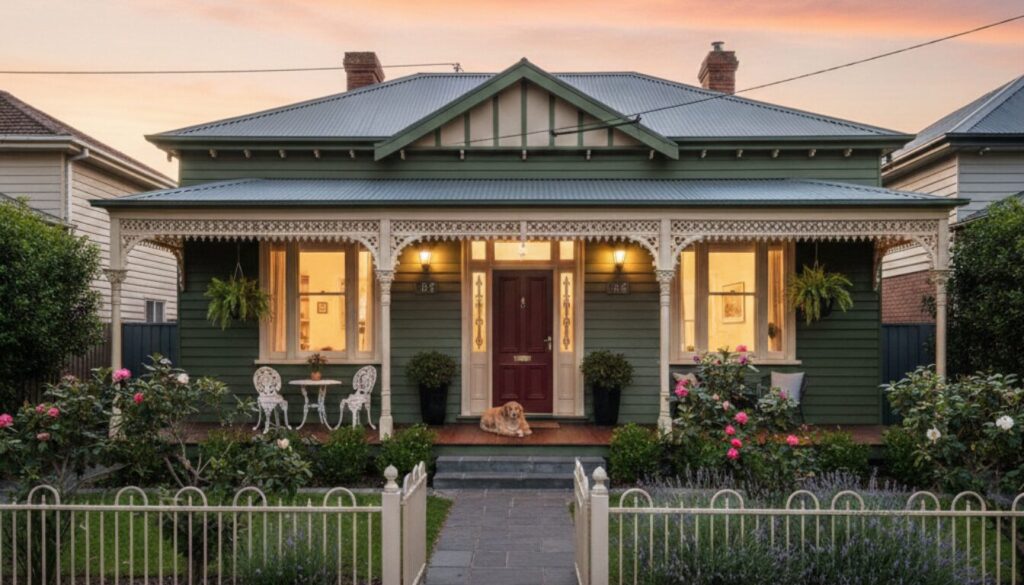
The persistent musty smell in a Californian Bungalow in Essendon or the black spots appearing on a Southbank apartment ceiling are more than cosmetic issues; they are symptoms of a moisture problem. At Mould Experts Melbourne, we don’t just find mould. We identify the specific water source and building science failures that allow it to thrive, providing a diagnostic blueprint for effective remediation. Our work is focused entirely on properties within Melbourne, from the weatherboard homes of the outer east to the bluestone foundations of the inner north.
Our IICRC-certified technicians use industry-standard diagnostic tools, not just a quick visual look. We provide the detailed reporting property owners, managers, and tenants need for insurance claims, pre-purchase due diligence, and Victorian Civil and Administrative Tribunal (VCAT) dispute resolution.
Our Mould Inspection Services
Mould Assessment
Suitable when you’re unsure how serious a mould issue is and need guidance and clear next steps before committing to further services.
View ServicePre-purchase Inspection
Recommended when buying a property and you want to identify mould, moisture risks, and potential contamination before settlement.
View ServiceVisual Mould Inspection
Best when mould is visible and appears limited to one area. This initial on-site assessment helps determine whether further inspection or testing is required.
View ServiceBeyond a Visual Check: An IICRC-Standard Assessment
A meaningful mould inspection goes far beyond what is visible. The true extent of contamination is often hidden within wall cavities, behind joinery, or deep in sub-floor spaces. Our process is built on the global IICRC S520 standard, the benchmark for professional mould remediation. Our inspection and reporting services are designed for clarity and action:
How Melbourne's Climate and Buildings
Create Mould Havens
Victoria’s climate, with its damp winters and fluctuating temperatures, is a primary driver for mould growth. This environmental pressure exposes vulnerabilities in a building’s design and maintenance. We frequently document issues stemming from:

Winter Condensation
As indoor heating warms the air, moisture condenses on cold surfaces like single-glazed windows and uninsulated southern walls, a common issue in many older Melbourne homes.
Poor Sub-Floor Ventilation
Inadequate airflow in the sub-floors of homes in suburbs like Brighton and Sandringham can lead to high humidity, causing timber decay and musty odours that permeate the living space above.
Renovation-Related Issues
A poorly installed bathroom exhaust fan that vents directly into the ceiling cavity, rather than outside, is a frequent source of hidden roof-space mould that we identify.
Common Mould Species
We identify common local species like Aspergillus and Penicillium, and know when to suspect the presence of more toxigenic types like Stachybotrys (black mould) which indicate serious, long-term water damage.
Your Assessment Report: The Next Steps for Remediation
Following the on-site assessment, you will receive a comprehensive report detailing our findings. This document is written in plain English and includes photographs, moisture readings, and a clear summary of the conditions found. It provides actionable, unbiased recommendations, outlining what, if any, remediation work is required.
This report serves as crucial evidence for:
- Engaging a certified mould remediation contractor.
- Discussions with landlords or property managers regarding obligations under the Residential Tenancies Act.
- Submitting claims to insurance companies.
- Providing evidence for building disputes or VCAT hearings.
Melbourne Mould Inspection FAQs
What does your inspection report include?
Our report details moisture source mapping, photographic evidence of affected areas, identification of contributing building faults, and clear recommendations for the next steps, such as remediation or further testing.
Can you find mould behind walls?
Yes. While we cannot see directly into walls, we use tools like thermal imaging cameras and moisture meters to detect the tell-tale signs of temperature difference and dampness that indicate hidden mould growth. If suspicion is high, we may recommend more invasive inspection methods.
My house is new, why do I have mould?
Modern, well-sealed homes can trap humidity from cooking, showering, and drying clothes indoors. Without adequate mechanical ventilation, like an energy recovery ventilator (ERV), this trapped moisture often leads to condensation and mould.
Do you perform the removal work as well?
Our primary focus is on independent, unbiased assessment and inspection. This separation ensures our findings are objective and not driven by a sales incentive for remediation work. We provide a clear scope of work that you can use to obtain quotes from qualified IICRC-certified remediation firms.
Schedule a Sub-Floor, Cavity, or Whole-Home Assessment
If you can see visible mould, smell a musty odour, or are concerned about a past water leak, contact our team. We provide diagnostic services for homeowners, buyers, tenants, and property managers across Melbourne.
Request a Quote
Fill out the Form below