
Contents Remediation for Mould-Affected Items in Melbourne
Request a Quote
Fill out the Form below
When mould impacts a property, it doesn’t stop at the walls. Furniture, documents, textiles, and personal heirlooms can hold a high concentration of spores, posing a significant risk of re-contamination even after the structure is treated. We are a mobile service based in Melbourne, providing specialized contents remediation for residential and commercial properties across the metro area.
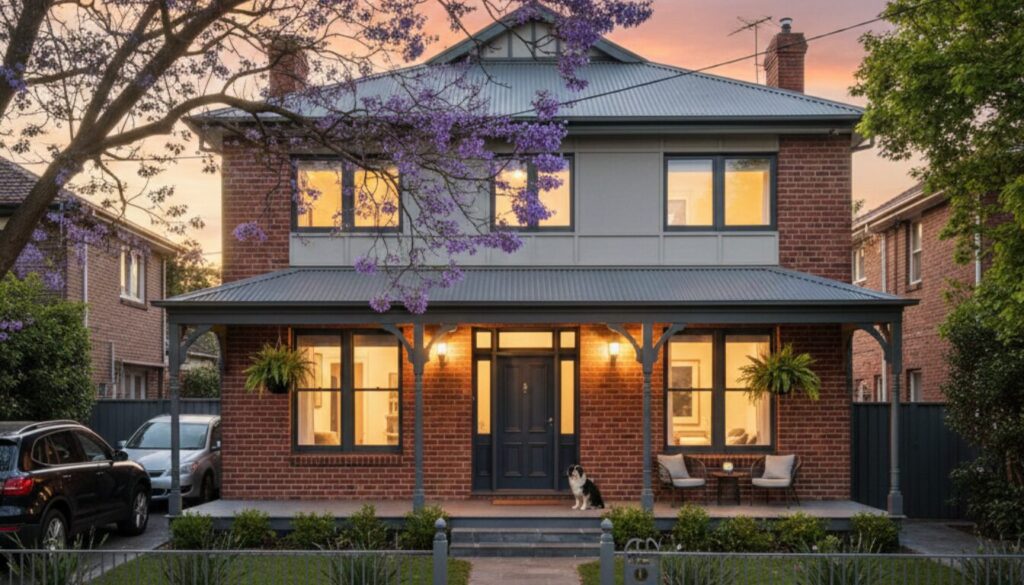
Our IICRC-certified Applied Microbial Remediation Technicians (AMRT) focus exclusively on assessing and restoring items impacted by fungal growth. We understand the unique challenges of Melbourne’s climate, from the condensation issues in inner-suburb terrace houses in Carlton and Fitzroy to the trapped humidity in newer, well-sealed apartment buildings.
Beyond Cleaning: A Technical Approach to
Contents Recovery
A simple wipe-down won’t eliminate a mould problem. Spores can embed deep within porous materials, and some species like Aspergillus and Penicillium, common in Australian homes, require meticulous, standards-based removal. Our methodology is grounded in the ANSI/IICRC S520 Standard for Professional Mold Remediation, the industry’s definitive guide for safety and effectiveness.
We evaluate each item to determine its condition and the correct remediation path. This isn’t just about what’s visible; it’s about mitigating the hidden risk. Our Assessment Determines:

Item Composition
Is it porous (upholstery, wood, paper), semi-porous (concrete, plaster), or non-porous (glass, metal, hard plastics)?
Contamination Level
Are there settled spores (Condition 2) or active, spreading colonies (Condition 3)?
Value
What is the financial or sentimental worth of the item?
Restoration Feasibility
Can the item be returned to a safe state, or does the cost and risk associated with restoration outweigh its value?
Our ANSI/IICRC S520 Contents Remediation Process
Adherence to a strict, documented process is non-negotiable for ensuring safety and preventing cross-contamination.
When is Contents Remediation Necessary in Melbourne Properties?
This service is crucial following any event that introduces excessive moisture into a building. We frequently work with homeowners and property managers dealing with:
Water Damage
Burst pipes, appliance failures, or roof leaks in areas like Melbourne's outer-east which see significant rainfall.
Sub-Floor Moisture
Poorly ventilated sub-floors in older brick homes can create rising damp that affects flooring, rugs, and the base of furniture.
Post-Remediation Clearance
After structural mould removal, ensuring personal belongings are clean is the final step to a safe environment.
High Humidity Environments
Properties in damp, leafy areas like the Dandenong Ranges (Belgrave, Olinda) often require proactive contents management due to persistent atmospheric moisture.
Not Just Structures: Why Contents Pose a Re-Contamination Risk
Moving mould-affected furniture or boxes back into a freshly remediated room is one of the most common reasons for mould to return. Billions of microscopic spores can be released into the air, settling on clean surfaces and restarting the growth cycle as soon as moisture becomes available.
Proper contents remediation breaks this cycle. It is an essential component of any comprehensive mould management plan, safeguarding both your health and the investment you’ve made in structural cleaning.
Contents Remediation FAQs
What is the difference between contents remediation and structural mould removal?
Mould removal targets the building itself: drywall, framing, and surfaces. Contents remediation is a specialized service focused on personal belongings like furniture, clothing, books, and other movable items.
Can every item be restored?
No. Highly porous items that are heavily contaminated, such as mattresses, particle board furniture, or paper products, are often not salvageable. The S520 standard guides our assessment, and we provide clear advice on which items should be safely discarded.
Do you use "fogging" to kill mould on contents?
No. The IICRC S520 standard mandates that mould must be physically removed, not just killed or covered up. Fogging alone is not a substitute for complete source removal. Our process focuses on detailed cleaning and removal.
Your Mobile Contents Restoration Team for Greater Melbourne
If your belongings have been impacted by water damage or mould growth, contact our team. We provide mobile, on-site assessment and remediation services throughout Melbourne and surrounding areas. We bring our IICRC-certified expertise directly to your home or business to help you make informed decisions and safely recover your valued possessions.
Request a Quote
Fill out the Form below